

Biodiversity Net Gain in England
Biodiversity net gain (BNG) forms part of England’s planning system. Where the statutory requirement applies, development must deliver at least 10% net gain, calculated using the statutory biodiversity metric.
This guide explains how the baseline is established, how gains can be delivered on and off site, and what developers and landowners need to consider before committing to habitat work.
What Is Biodiversity Net Gain in England?
BNG is a planning mechanism designed to leave biodiversity in a measurably better state after development. For development subject to the statutory framework, the biodiversity gain objective is normally at least 10% over the pre-development biodiversity value. Certain developments are exempt or follow different rules. Check the government guidance on biodiversity net gain and the relevant planning authority’s requirements before relying on the framework for a project.
For a permission subject to the standard biodiversity gain condition, the planning authority must approve a biodiversity gain plan before development begins. Work on suitable layout and habitat retention during design. The scope of the requirement, conditions, evidence and any relevant local policy need to be checked for the particular application.
This guide deals with the statutory regime in England. For other environmental rules and voluntary initiatives, see our overview of policy and frameworks.
Check Scope and Exemptions Before Designing the Layout
Confirm the planning route, application timing and type of development before working up a gain plan. The statutory framework contains exemptions and different arrangements for some cases. Keep a note of the official guidance and local planning information used for the decision, including the date checked.
An exemption from BNG does not remove other ecological or planning considerations. Ask the project ecologist which protected species, designated sites or retained habitat need early investigation. Identify information gaps before design choices make them expensive to address.
How Does the Statutory Biodiversity Metric Work?
The statutory metric converts habitat characteristics into biodiversity units. The assessment maps the area habitats, hedgerows and watercourses, then records the characteristics required for the relevant metric entries. Depending on the habitat, the calculation uses factors such as extent, distinctiveness, condition and strategic significance. Separate unit types are handled separately under the metric.
The baseline establishes the pre-development value. Proposed creation and enhancement are then modelled with adjustments for factors such as delivery difficulty, time to reach target condition and, for off-site provision, location. Trading rules restrict how losses of different habitats can be compensated. Some developments may be eligible to use the small sites metric. See the statutory metric tools and guides.
A numerical uplift does not measure every effect on species, ecological function or protected sites. A clear assessment preserves the habitat map, survey date, condition sheets and assumptions. For the broader evidence behind baselines, see biodiversity measurement and monitoring.
Retain Valuable Habitat in the Site Design
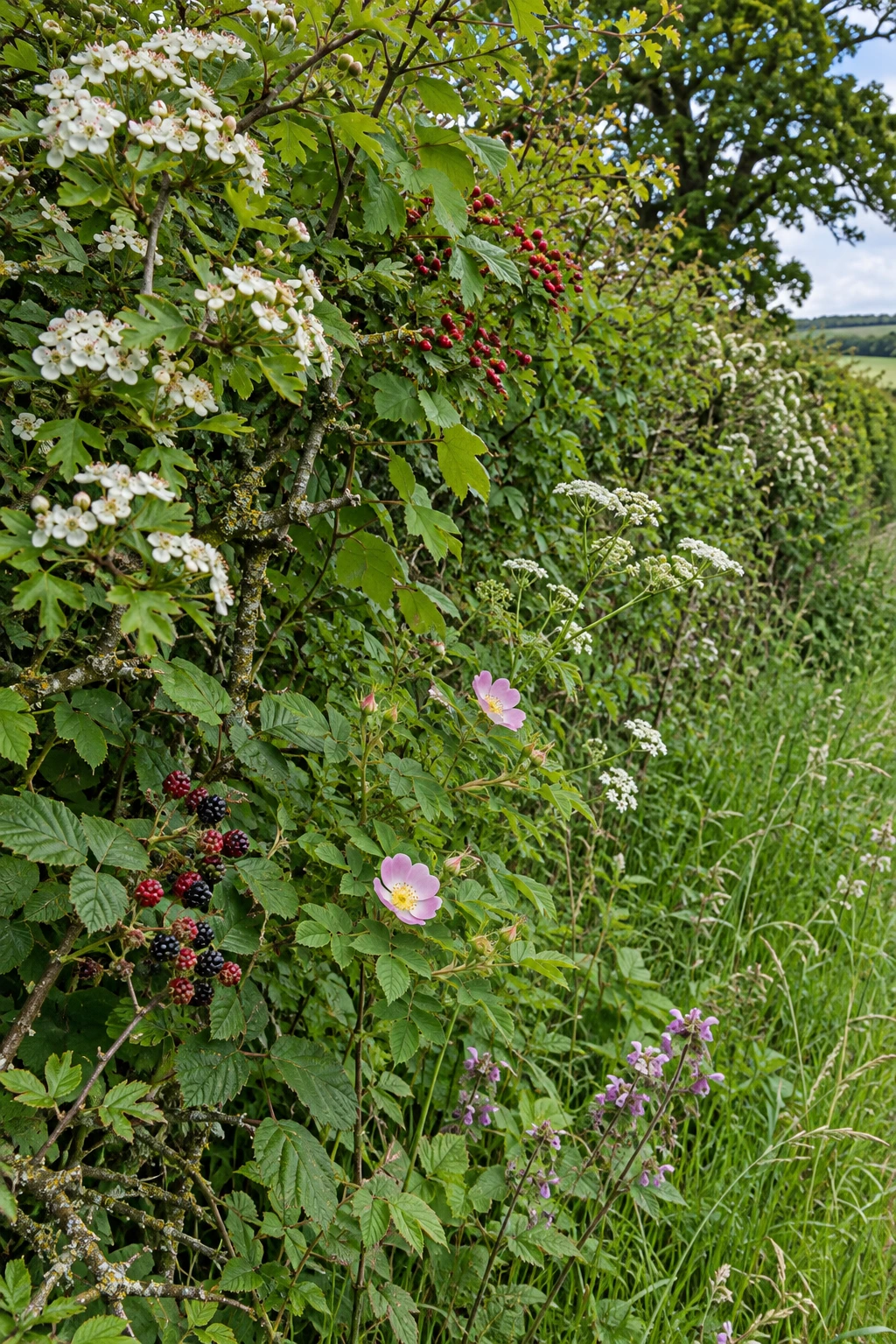
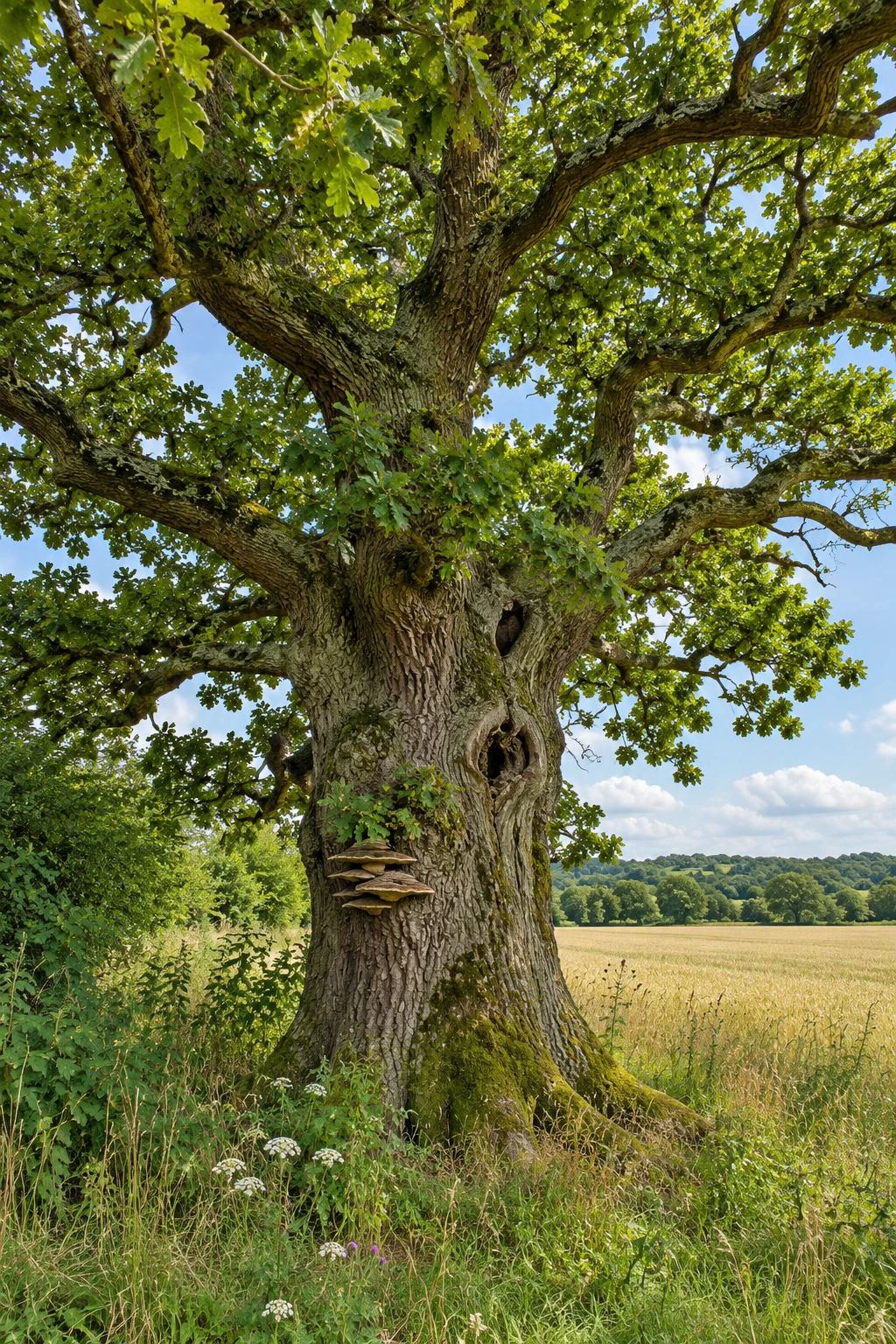
Use the baseline to map features that the design can retain, such as mature trees, hedgerows and wet areas. Consider what will happen to the roots, hydrology, light and ongoing management after construction. A line on a plan is only a starting point for defining how a feature will be protected.
Work through access, drainage and service routes with the design team. Make habitat protection responsibilities clear in site documents and reflect retained conditions realistically in the metric. Where an irreplaceable habitat is affected, check the separate requirements and discuss the approach with the planning authority.
How Can Developers Deliver the Required Gain?
Start with the layout. Identify habitat that can be retained and protect it during construction. Assess how much suitable creation or enhancement can be delivered inside the development boundary and whether the proposed management is realistic. A retained feature and a proposed new habitat should be shown clearly on the plan so their contributions can be checked.
Where an off-site contribution is needed, developers can use eligible units from their own land or obtain them from a third party. Off-site gains used for statutory BNG must be secured and registered, and the units must be allocated to the development. Government-issued statutory credits are a last resort where on-site and off-site options cannot deliver the required gain.
Check trading rules and any separate requirements for irreplaceable habitats before finalising the layout. A worked calculation is useful only when the actions, dates, location and management commitments behind each unit can be delivered.
What Do Landowners Need to Plan For?
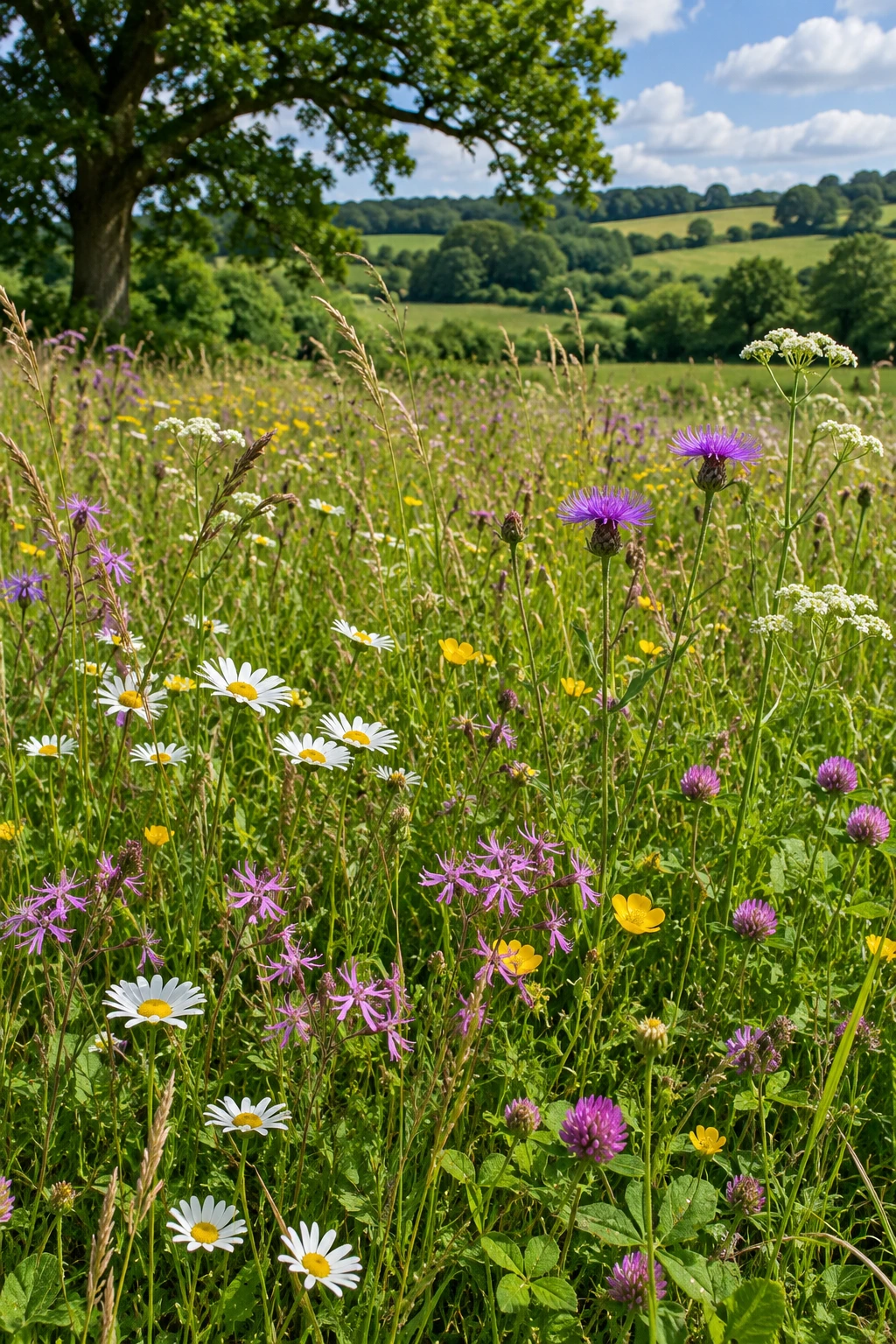
A landowner considering off-site gains should ask whether the site can support the proposed habitat over the required period. Review current condition, hydrology, access, tenure and adjoining land uses. Check the fit between the intended habitat and local priorities. Agree who will carry out works, pay for ongoing management and respond if the habitat develops more slowly than forecast.
Off-site gains and significant on-site enhancements generally must be secured for at least 30 years. Off-site arrangements need an appropriate legal mechanism, such as a planning obligation or conservation covenant, and registration on the biodiversity gain sites register. The start of the management period and evidence requirements depend on the delivery route and agreement. Consult the government guidance for land managers before offering units.
Build management and monitoring costs into the proposal. The guide to ecosystem restoration covers ecological design choices that can help make those commitments credible.
Build the Biodiversity Gain Plan and Evidence Pack
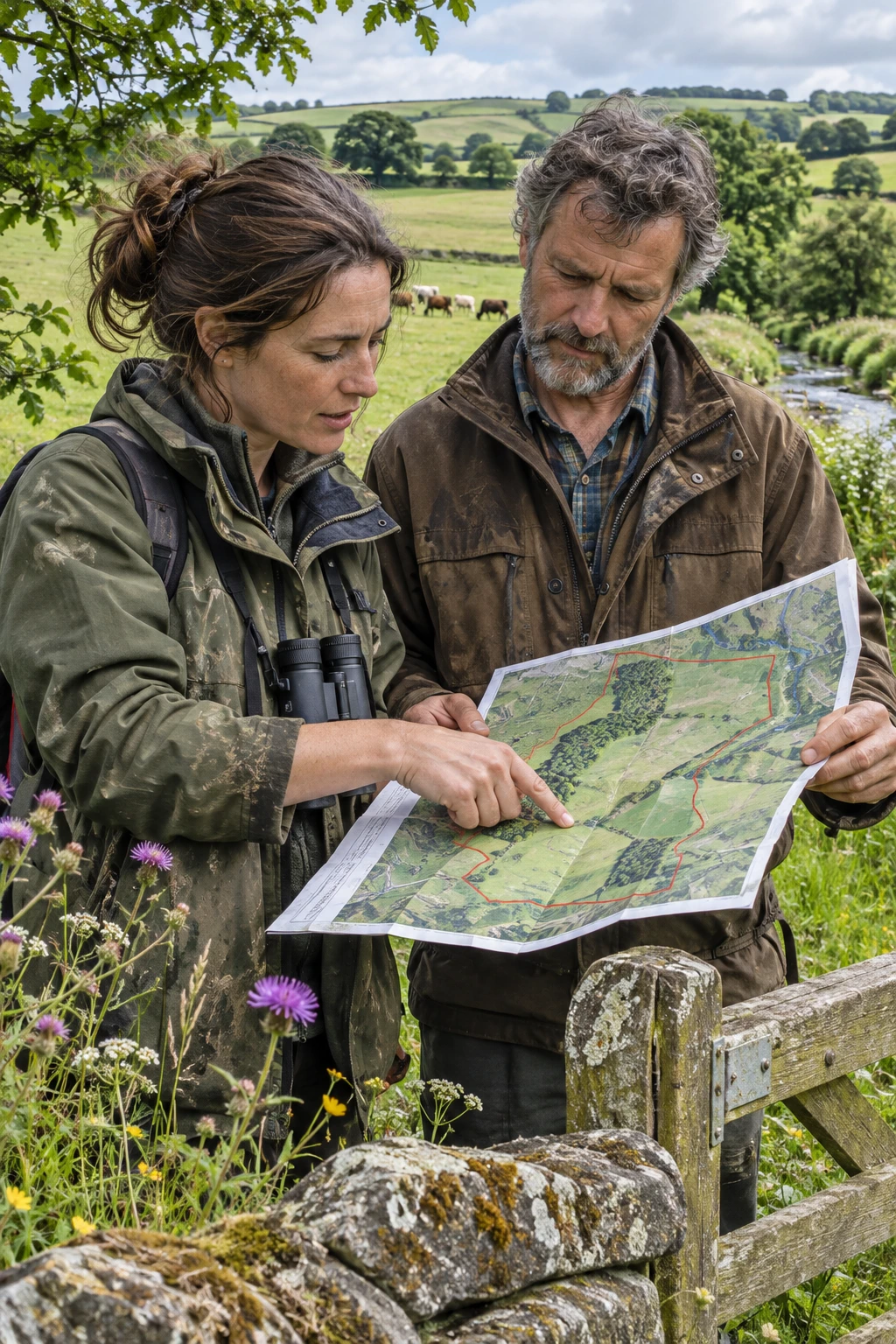
Assemble the baseline and proposed habitat plans, the completed metric and the evidence behind key assumptions. Make the on-site and off-site contributions easy to follow. For registered off-site gains, keep allocation records and their connection to the corresponding entries in the metric.
Describe how each proposed habitat will be created, enhanced and managed, including dependencies and delivery dates. A clear evidence pack helps the planning authority understand the proposal and gives the delivery team a record of what must happen on the ground. Keep changes to the layout and metric traceable.
Manage and Monitor Habitat Over the Long Term
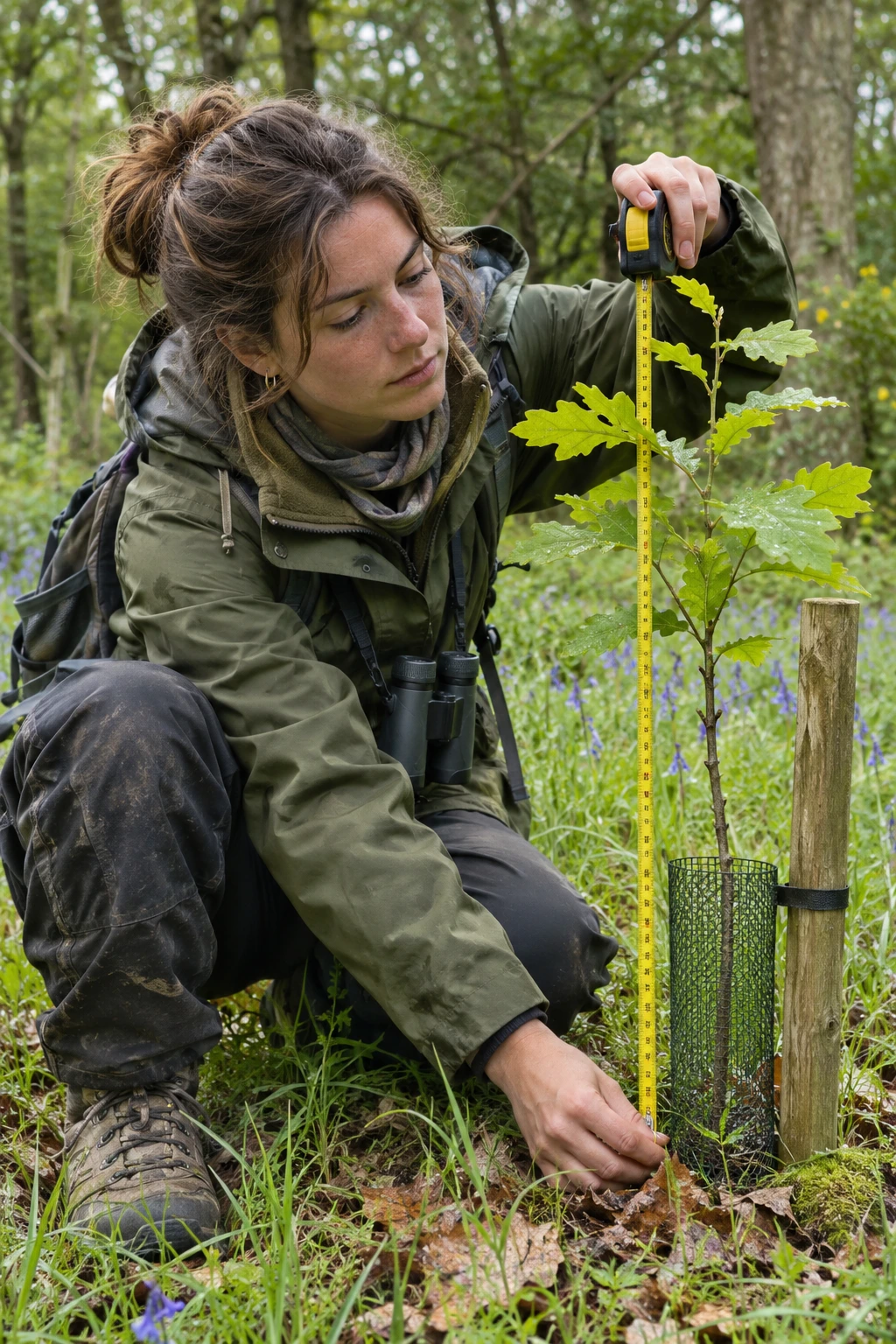
Set measurable milestones for habitat establishment, condition and management. A meadow may need an early check of establishment and later visits timed to flowering and cutting. Record what would trigger a change if the habitat moves away from its intended condition. Agree who receives the results and who has authority to act.
Budget for replacement work, field visits and record keeping over the full management period. Make sure future owners or managers can find the relevant legal agreement, habitat plans and reporting obligations. A handover should explain immediate actions and how decisions and changes are documented.
How Does BNG Relate to Biodiversity Credits?
The terminology matters in procurement. An off-site biodiversity unit used for statutory BNG is tied to an eligible registered gain site and allocated to a development. A statutory biodiversity credit is purchased from government through the last-resort route. Each has its own documentation and role in a biodiversity gain plan.
Voluntary biodiversity credits are used in a range of nature finance initiatives and may follow different methodologies and claims rules. A voluntary credit does not, on its own, satisfy England’s BNG requirement. Check which instrument is being offered, what action it funds and whether that action has already been allocated or claimed.
Ask for the habitat, legal agreement and allocation records relevant to the proposed unit. An auditable record helps developers check delivery and helps landowners keep track of commitments across a site.
How Initiative 14/15 Supports Biodiversity Project Development
Initiative 14/15 works with organisations exploring habitat improvement, ecological restoration and measurable biodiversity outcomes. We can discuss the ecological opportunity, the evidence available and how a project could be developed.
For an English development with a statutory BNG obligation, involve a suitably qualified ecology team and the relevant planning authority in the metric, gain plan and regulatory decisions. A site brief and an early understanding of the habitat can make those discussions more productive.
Frequently Asked Questions
Does BNG apply across the United Kingdom?
This statutory framework applies in England. Other UK nations have their own planning approaches.
What is the usual statutory minimum?
At least 10% net gain where the statutory biodiversity gain objective applies.
Does every development need a biodiversity gain plan?
Exemptions and different arrangements apply in some cases. Check the applicable planning route and guidance.
When is the biodiversity gain plan approved?
Under the standard biodiversity gain condition, approval must be obtained before development begins.
Can gain be delivered outside the development site?
Yes. Eligible off-site gains must be secured and registered, and the units allocated to the development.
When can statutory credits be used?
They are a last resort when on-site and off-site options cannot deliver the required gain.
How long must habitat be managed?
Off-site gains and significant on-site enhancements are generally secured for at least 30 years.
What are the metric’s main unit types?
Area habitat units, hedgerow units and watercourse units. They are accounted for separately.
Can a voluntary biodiversity credit meet the statutory requirement?
A voluntary credit alone does not meet the statutory condition. The project must use an eligible delivery route.
Can the metric replace a protected species survey?
No. Species, protected sites and other planning requirements may need separate assessment.
Develop a Credible Habitat Improvement Project
Tell us where the site is, what habitats are present and what you hope to deliver. We can discuss the ecological information needed and how to develop a practical project brief.
If the development is in England, share the planning stage and any baseline information already available.
Get in Touch